
Case study · Origin story

Disney
How the Disney Vacation Club stopped sounding like its category.
Disney was one of Chris Rubin's first accounts at his first agency job: copy for exhibits, rides and restaurants across the parks and hotels, voice work for radio and in-park spots, and the Disney Vacation Club, whose messaging was underperforming in a category that worked against it. After the repositioning he wrote went to full rollout, memberships grew more than 38% in 90 days, and growth held at 30% year over year for the next 18 months. Before any of it, he spent college summers in the Magic Kingdom, telling jokes from the bow of a Davy Crockett Explorer Canoe.
- Client
- Disney: the parks, the hotels and the Disney Vacation Club
- Sector
- Parks, hotels and vacation ownership
- Work
- Disney Vacation Club positioning and messaging across every marketing asset and the member journey; <i>Vacation Magic</i>, the club's international newsletter; copy for exhibits, rides, restaurants and hotels; voice work for radio ads and in-park spots
- Role
- Writer and editor, first agency job
Where it started
During college I spent summers in the Magic Kingdom, working the Davy Crockett Explorer Canoes. No motor, no track. The guests paddled, and from the bow I delivered scripted, corny jokes while a colleague steered from the stern; we rotated through the day. It was my first job speaking in the Disney voice, and the script was somebody else's.
After college, Disney was one of the first accounts I worked on at my first agency, and the writing turned professional. So, unexpectedly, did the voice: somebody put me on radio ads and in-park spots.
The brief
The Disney Vacation Club's strategy and messaging were underperforming and drawing flat feedback from the audience. Underneath sat a category problem. The club sold vacation ownership, and prospective members arrived with the category's reputation already in their heads, before a single benefit was heard.
The newsletter.
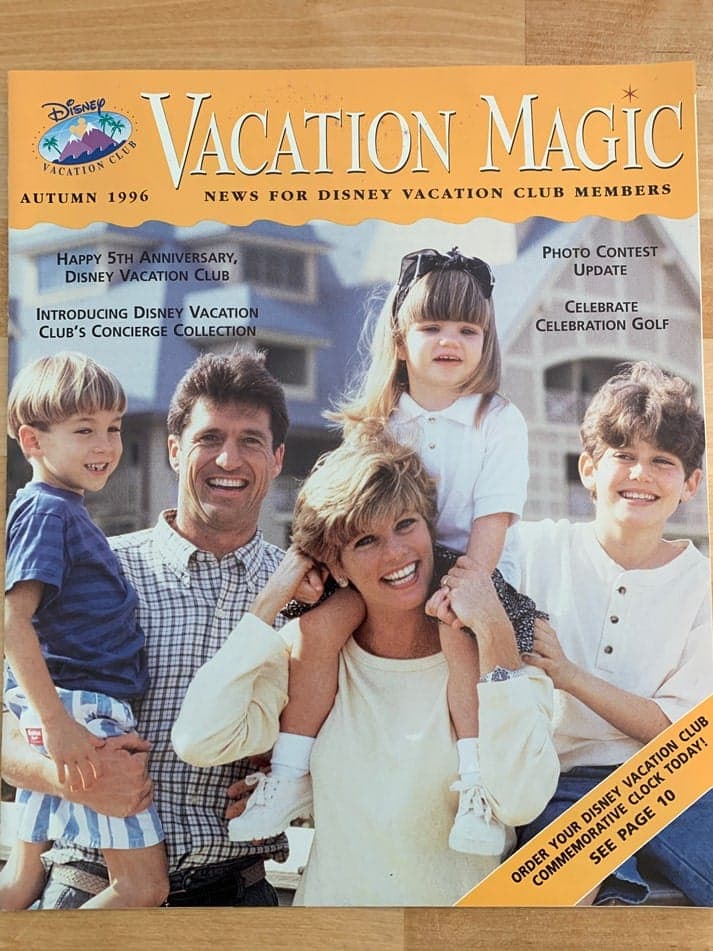
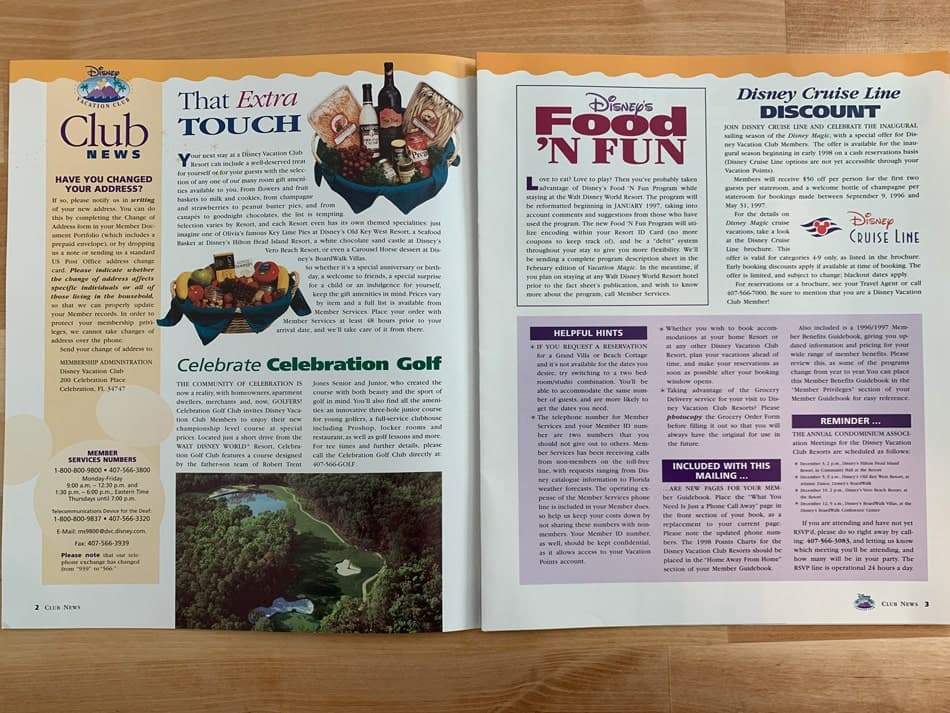
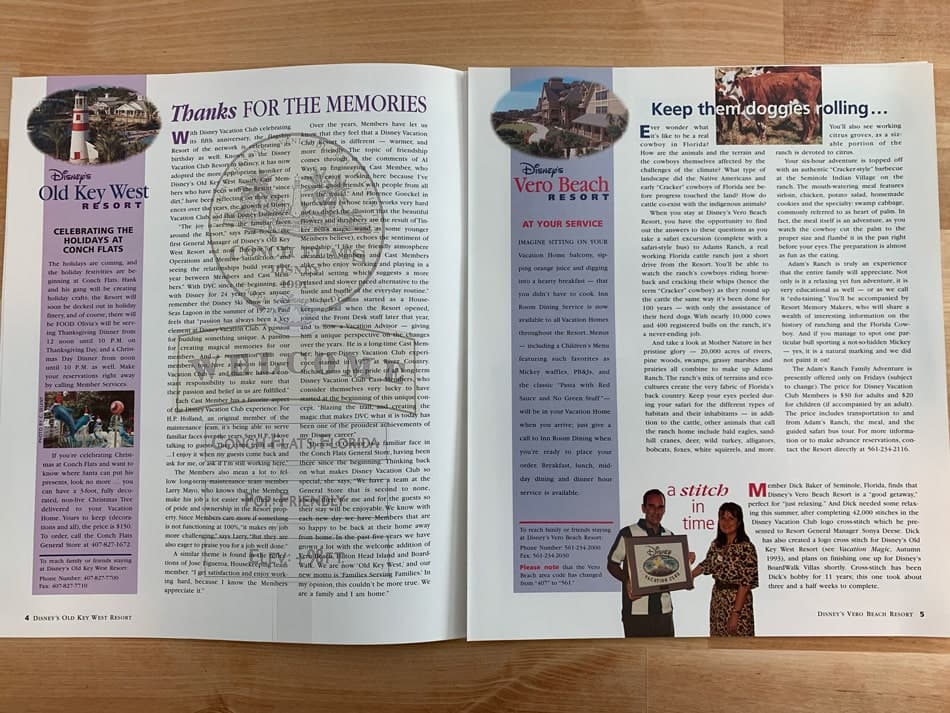
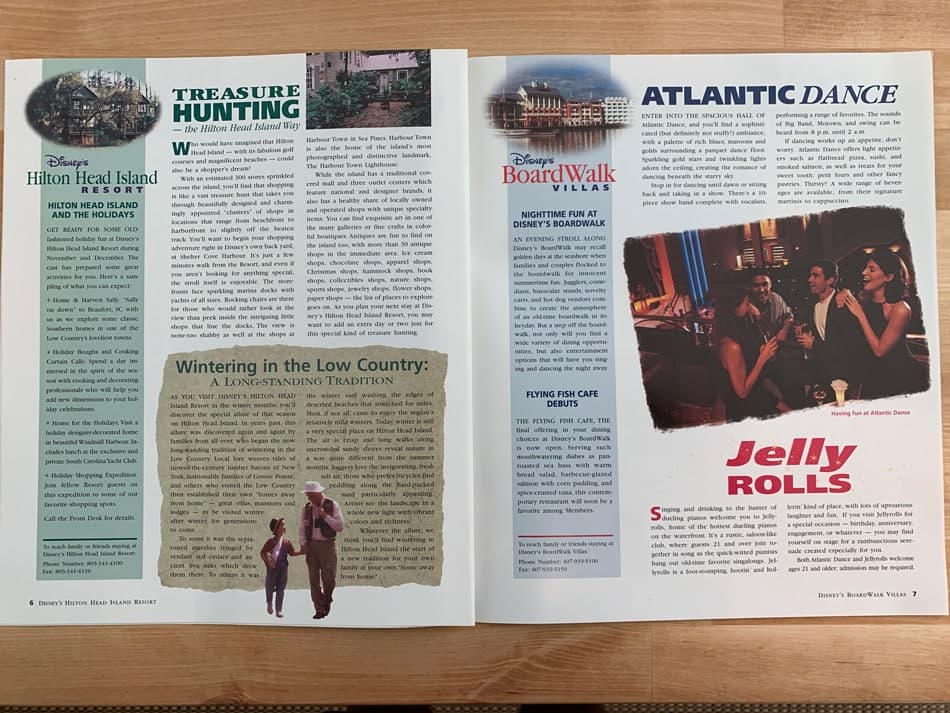
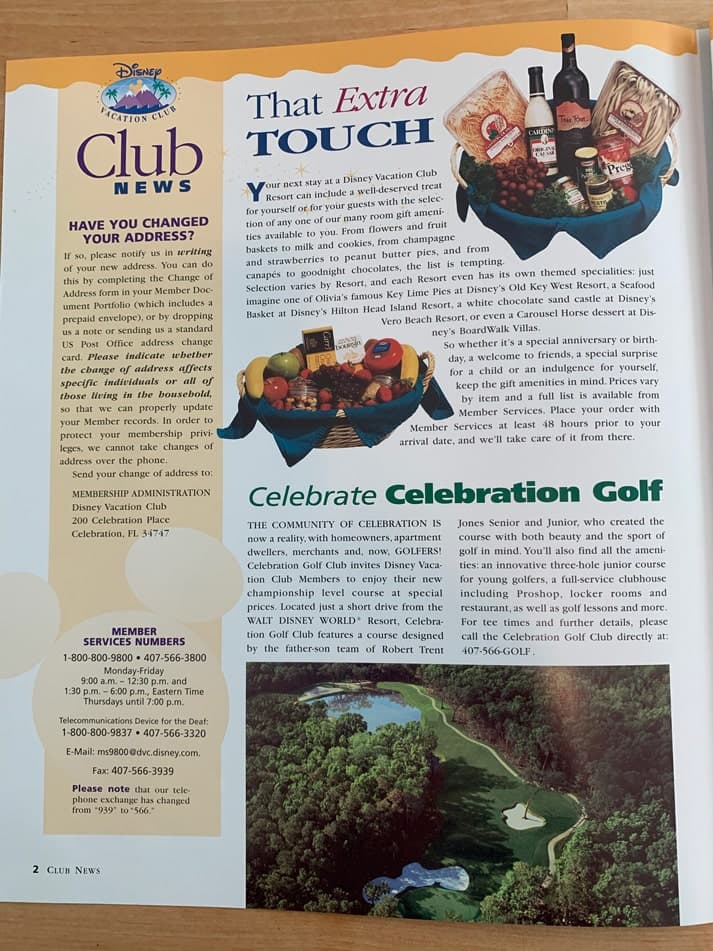
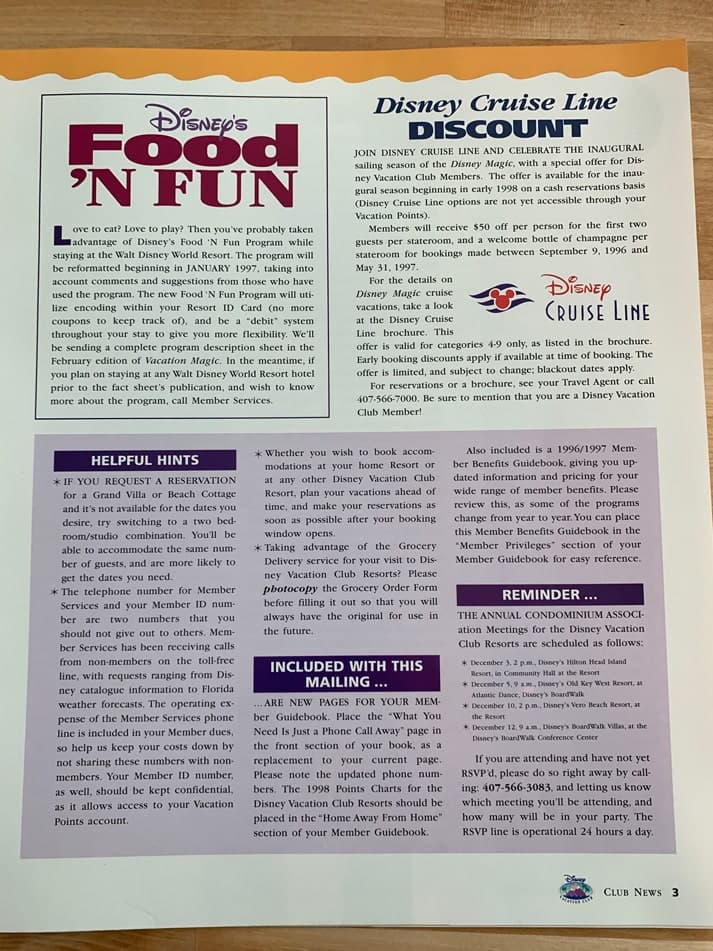
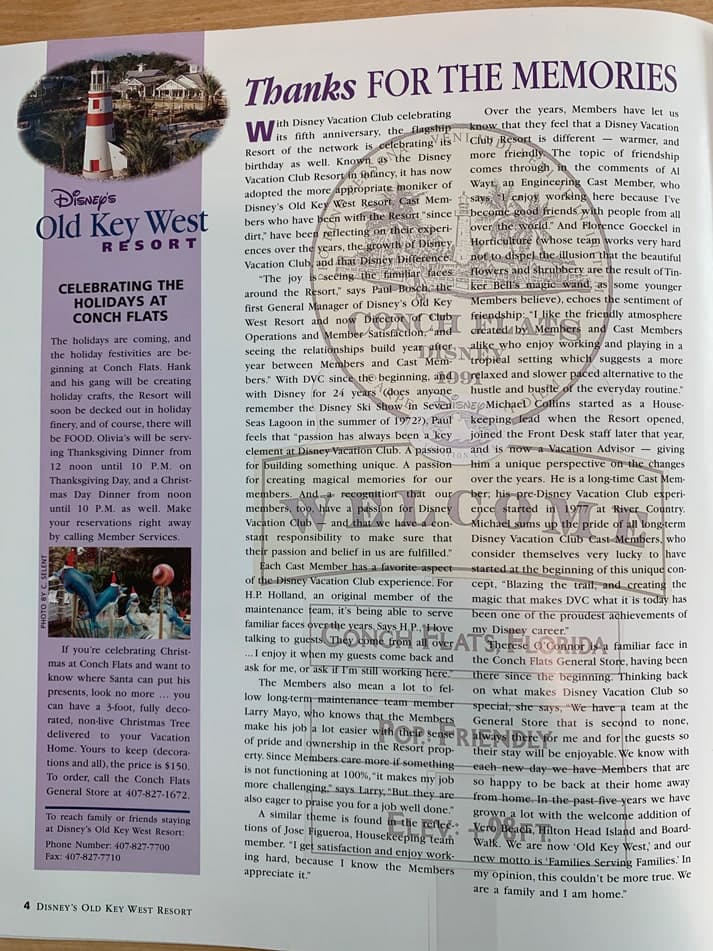
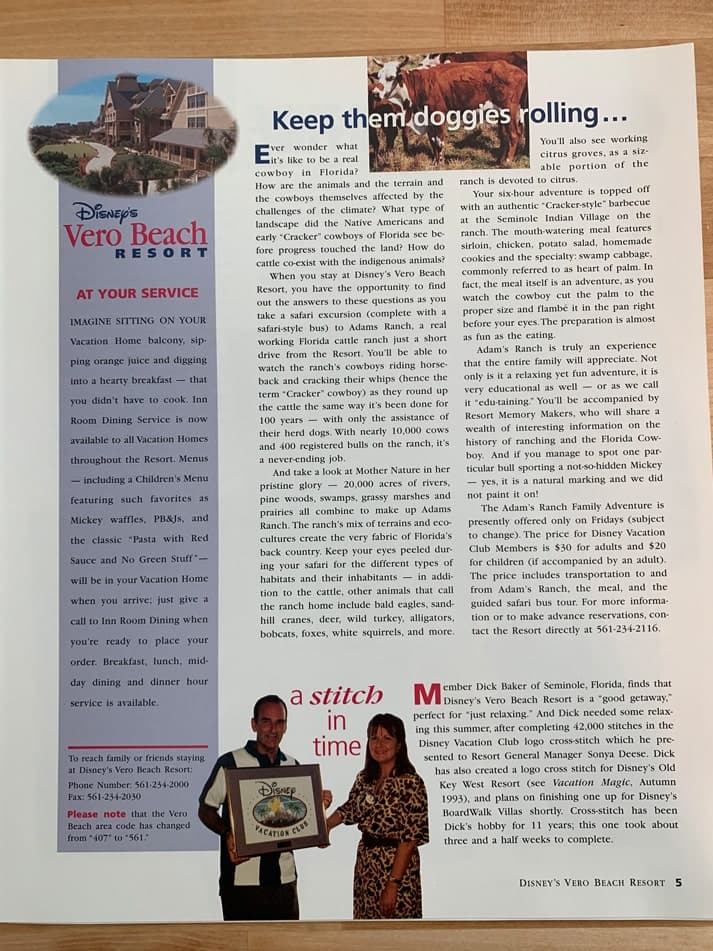
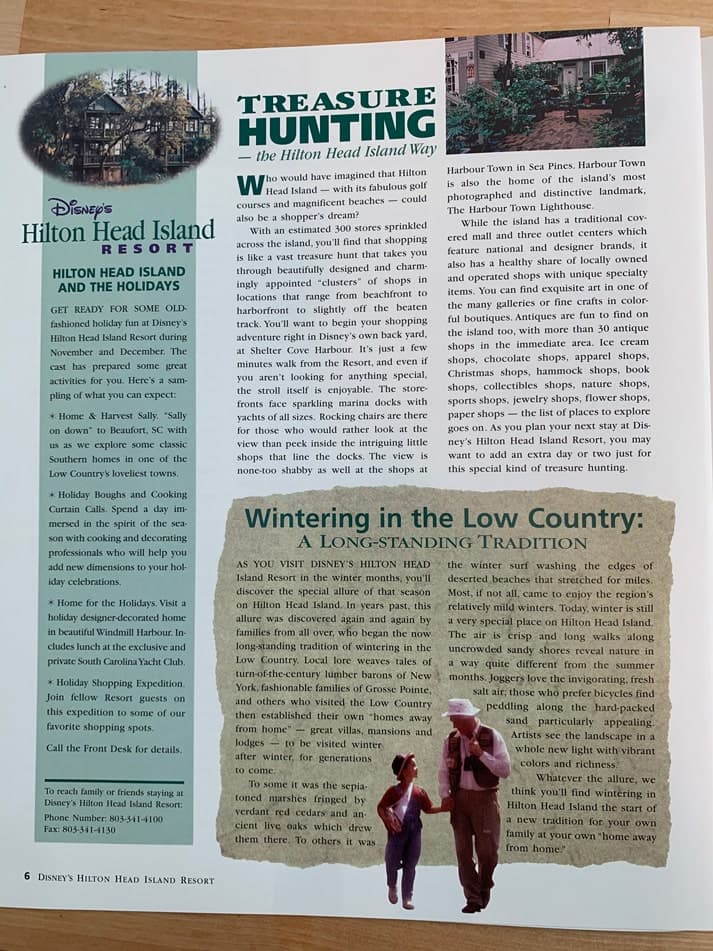
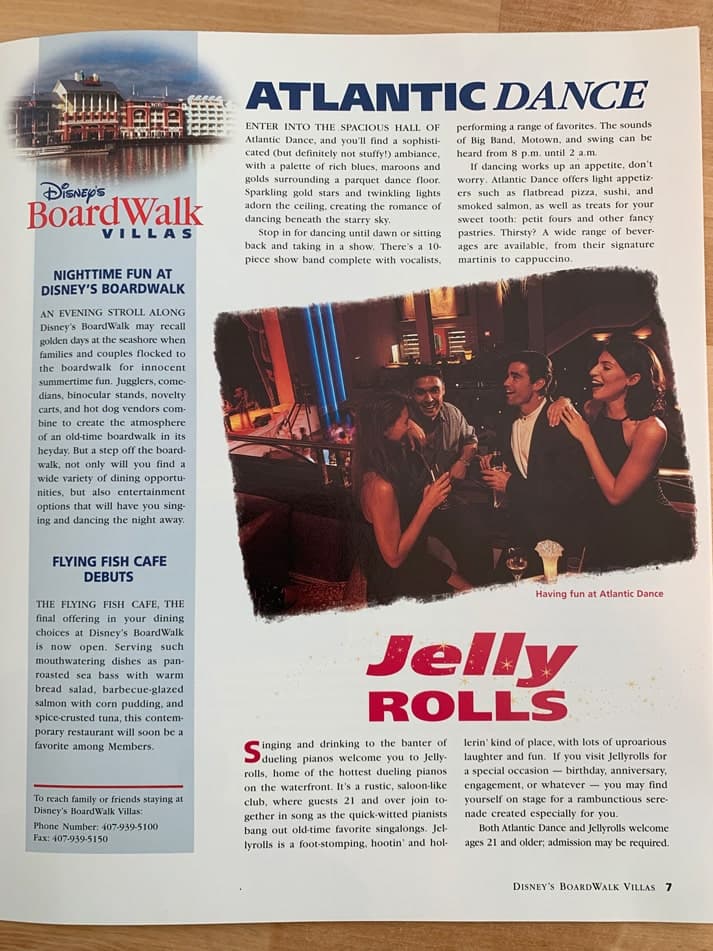
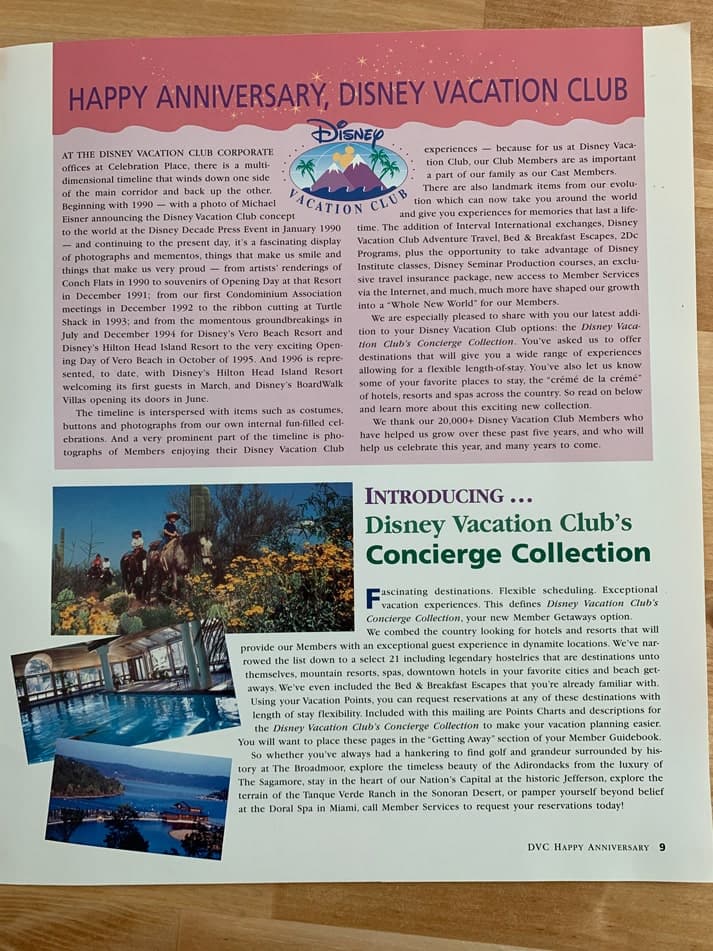
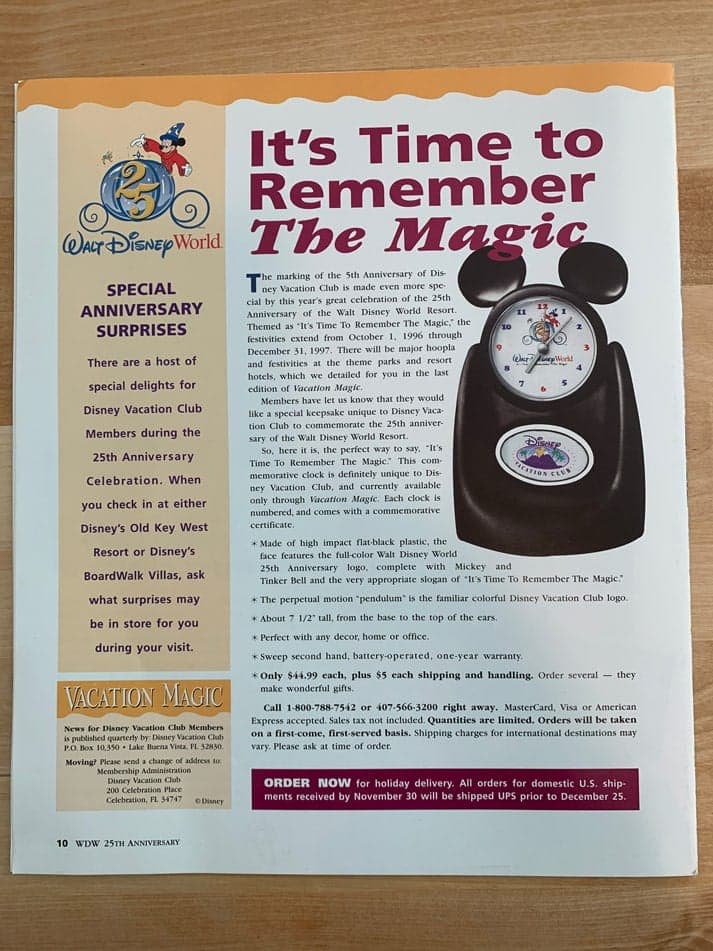
Vacation Magic, the fifth-anniversary issue, photographed from the archive: the cover, three spreads, then the pages. Shown as a portfolio sample.
Scroll →
What we found
Most of the work was research: the industry, the comparable programs at competitors, then the ideas themselves tested with target-audience families in focus groups and interviews. The decisive finding was that the category frame had to go. The positioning would lead with the experience and the membership, never with the mechanics of the category, because the club was something else: a unique, cultivated version of Disney that belonged to its members, a members' world inside the Disney one.
What I wrote
The throughline was a personalized, custom version of the Disney magic people already carried with them, and it ran through every marketing asset and every step of the member journey, from the first inquiry to the materials in the sales presentation.
The hardest part was persuading the stakeholders to let go of messaging they had used for years. A soft launch was the compromise: everyone got to watch the new positioning in the market before committing to it.
I also wrote and edited Vacation Magic, the club's full-color international newsletter. The issue in the archive is the fifth-anniversary edition, shown for the voice: the cover introduces the Concierge Collection; inside are club news, a Disney Cruise Line discount, pages for Old Key West, Vero Beach, Hilton Head Island and the BoardWalk Villas, and a back page for Walt Disney World's 25th anniversary.
What changed
The first signal came from the cast members giving the sales presentations. The emotional reaction in the room had perceptibly changed: more joy, more excitement, and far fewer objections. Inquiries and sales bookings rose more than 50% within 14 days of the soft launch. Memberships grew more than 38% within 90 days of the full rollout, and growth held at 30% year over year for the following 18 months.
A brand's voice lives in its rules, and the rules have to be good enough that strangers can own them. I was, at different times, the person telling jokes from a canoe, the person writing a ride placard and the person editing the members' newsletter, and the voice never depended on any of them. Which is the founder's problem in miniature: the story has to hold when the person who made it isn't in the room.
Is your best story still living in one head?
Book the Diagnostic