The Art and Science of Brand Identity: Building a Lasting Impression

Brand Identity

In the modern marketplace, crafting a brand identity has evolved from a mere logo and tagline into a powerful statement that resonates with your audience. This process involves a delicate fusion of art and science, transcending aesthetics to help shape the very essence of a business. In this article, we embark on a journey through the intricacies of brand identity, uncovering its multifaceted nature, and its profound impact on businesses and consumers alike.

The Essence of Brand Identity

Brand identity serves to represent the essence of a business—encapsulating its values, mission, personality, and the commitment it extends to its customers. It is a synthesis of visual elements, messaging, and experiences that collectively influence how the brand is perceived. A robust brand identity not only differentiates a business, but also fosters trust and loyalty among consumers.

Crafting a Memorable Visual Identity

Brand Marketing Strategy Consulting

Central to brand identity is a visual narrative that stands as the face of the brand. This presentation encompasses the logo, color palette, typography, and other aesthetic elements that harmoniously combine to create a distinctive and recognizable look. A thoughtfully designed logo, for instance, becomes a symbol that triggers emotions and associations linked to the brand.

Typography is equally pivotal in brand identity, as fonts convey varying tones and personalities. A sleek, modern font may convey innovation and sophistication, while a playful, rounded font could evoke approachability and friendliness. The strategic use of colors further enriches the visual identity, as each hue elicits specific emotions and contributes to the brand’s unique perception.

The Science of Brand Strategy

Behind every successful brand identity stands a well-crafted brand strategy. This strategy entails a meticulous analysis of the target audience, prevailing market trends, and competitive landscape. It serves to define the brand’s distinct value proposition and positioning, ensuring that every facet of the identity resonates with the business’s objectives and strikes a chord with its intended audience.

The Role of Brand Marketing Strategy Consulting

Navigating the intricate terrain of brand identity often necessitates specialized guidance, which is where brand marketing strategy consulting comes into play. These experts bring a wealth of experience and insights, aiding businesses in developing a comprehensive brand strategy that fuels growth and differentiation.

Brand marketing strategy consultants delve into comprehensive market research, scrutinizing consumer behavior and identifying emerging trends. Collaborating closely with key stakeholders, they unearth the brand’s unique selling points, pinpoint target demographics, and articulate core values. This collaborative approach guarantees that the brand identity is uniquely authentic and resonant, establishing firm bedrock for growth and expansion.

Embracing Digital Channels for Brand Identity

In today’s digital epoch, brand identity must traverse traditional mediums while also extending across relevant online platforms. A consistent and engaging digital presence is indispensable for reinforcing brand identity, and forging connections with the target audience. Social media platforms, websites, and online ads—both paid and earned media—all contribute to shaping the digital facet of a brand.

Consistency as the Bedrock

Consistency stands as a cornerstone of a robust brand identity. Every touchpoint a consumer encounters should exude cohesion of message, and align seamlessly with the brand’s core values. From website design to social media posts to packaging, preserving a uniform brand image nurtures recognition, and fosters trust over time.

Creating a Memorable Brand Experience

Beyond visuals and messaging, brand identity encompasses the holistic experience a consumer has with a brand. This encompasses customer service interactions, product quality, and the emotional resonance that develops. A consistently resonant brand experience can cultivate heightened customer loyalty, generate word-of-mouth referrals, and pave the path for sustained growth and expansion.

FAQs: Decoding the Dynamics of Brand Identity

What exactly is brand identity?

Brand identity encompasses the core values, mission, visual elements, and messaging that represent the truest essence of a business, and shape how it is perceived by consumers.

How does brand identity differ from a logo?

While a logo is a visual symbol of a brand, brand identity encompasses a broader spectrum, including values, personality, story, and customer experience.

Why is brand identity important?

A strong brand identity differentiates a business, fosters loyalty, and builds trust among consumers, contributing to long-term success.

How does brand strategy consulting contribute to brand identity?

Brand strategy consulting provides expertise in analyzing market trends, identifying target demographics, and helping to shape and refine a brand’s most uniquely authentic value proposition, ensuring an authentic and emotionally resonant brand identity.

How can businesses maintain a consistent brand identity online?

Businesses can ensure consistency by adhering to the same visual elements, story, voice and tone across all digital platforms, from social media to websites and other digital platforms.

Conclusion

In order to compete most effectively, brand identity emerges as a potent tool for establishing a distinctive and enduring impression. The fusion of art and science—coupled with brand marketing strategy consulting—propels the creation of a meaningful brand identity that is designed to build a following. From the logo to the digital landscape to the overall customer experience, every facet contributes to shaping a brand’s perception, and growing the business over time.

Businesses that invest in cultivating a robust and authentic brand identity position themselves for success by nurturing loyalty, differentiation, and emotional connections. As consumers increasingly seek authentic and meaningful experiences, a thoughtfully curated brand identity will continue to be a pivotal force in shaping narratives, and leaving a lasting imprint.

Crafting a Cohesive Brand Identity: A Comprehensive Guide to Successful Brand Building

Comprehensive Guide to Successful Brand Building

Times have surely changed. The process of brand building has transcended conventional marketing practices to become a pivotal driver of long-term success. A meticulously curated brand identity not only differentiates your business in a crowded market but also forges lasting connections with your target audience. This article embarks on a comprehensive exploration of the art of brand building, highlighting the crucial roles played by brand marketing strategy consulting and B2B brand strategy in creating a distinct and impactful brand identity.

Understanding Brand Building

At its core, brand building is a multi-dimensional endeavor that extends beyond the mere creation of a visually appealing logo or a catchy tagline. It involves the strategic cultivation of a brand’s values, ethos, and perceptions in the minds of consumers. The ultimate goal is to weave a compelling narrative that resonates deeply with your audience, setting your business apart while authentically conveying its truest essence.

The Significance of Brand Marketing Strategy Consulting

Brand Marketing Strategy Consulting

Navigating the intricate path of brand building often demands expert guidance, underscoring the importance of brand marketing strategy consulting. Collaborating with seasoned consultants brings valuable insights and expertise to the table, helping you construct a clear roadmap for your brand’s growth. These professionals specialize in analyzing market trends, decoding consumer behavior, and surveying competitive landscapes to devise tailored strategies that align with your business objectives.

Consultants work hand-in-hand with you and your key stakeholders to uncover your brand’s most unique selling propositions, pinpoint your target demographic, and articulate your truest core values. Through meticulous market research, they unearth untapped opportunities and craft a brand strategy that resonates deeply with your ideal customers. This collaborative approach ensures that your brand identity remains authentic and resonant, forming a robust foundation for your brand’s success.

Crafting an Effective B2B Brand Strategy

In the realm of B2B interactions, a compelling brand strategy is paramount. B2B brand strategy revolves around nurturing trust, credibility, and enduring relationships within the business community. When businesses engage in B2B transactions, they seek partners who emanate trust and reliability, and a well-defined brand identity can be the linchpin of these partnerships.

An effective B2B brand strategy encompasses the following components:

1. Consistency: Consistency lies at the heart of a potent brand identity. From visual elements like logos and color schemes to the tone of your messaging, maintaining a uniform brand image across all touchpoints cultivates trust and familiarity.

2. Value Proposition: Articulating your value proposition clearly is paramount. Illuminate what sets your B2B offerings apart from the competition. Address how your products or services adeptly address specific challenges faced by other businesses, positioning you as an invaluable collaborator.

3. Thought Leadership: Position your brand as an industry authority through insightful content, illuminating webinars, and enlightening whitepapers. Sharing your expertise not only showcases your acumen, but also bolsters credibility and trust.

4. Networking and Partnerships: Forge collaborations with fellow businesses and influencers in your industry to broaden your network, and amplify your brand’s reach. B2B partnerships can introduce novel prospects and showcase your brand’s versatility.

5. Customer-Centric Approach: While B2B interactions often lean toward transactional dynamics, prioritizing robust customer relationships can engender repeat business and foster referrals. Prioritize exceptional customer service to cement your reputation as a dependable partner.

Effective B2B Brand Strategy

FAQs: Demystifying Brand Building

What is the core objective of brand building?

The primary goal of brand building is to create a strong and recognizable identity for your business that resonates with your target audience and sets you apart from competitors.

How does brand marketing strategy consulting benefit businesses?

Brand marketing strategy consulting offers expert insights and guidance, enabling businesses to develop tailored strategies that align with their goals, resonate with their audience, and drive growth.

Why is consistency crucial in B2B brand strategy?

Consistency ensures that your brand is easily recognizable and fosters trust among B2B partners, helping to establish your credibility and reliability.

What role does thought leadership play in B2B brand strategy?

Thought leadership positions your brand as an industry expert, enhancing your credibility and making you a go-to resource for insights and solutions.

How can B2B partnerships enhance brand reach?

Collaborating with other businesses and influencers exposes your brand to new audiences, expanding your reach and creating opportunities for growth.

Conclusion

In a modern marketplace colored by relentless competition and continuous transformation, the process of brand building emerges as a dynamic journey that demands strategic foresight, creative innovation, and adaptability. Brand marketing strategy consulting serves as a guiding light, facilitating the creation of an authentic and resonant brand identity. Within the realm of B2B interactions, a meticulously sculpted brand strategy becomes the bedrock for trust, credibility, and enduring business relationships. By embracing these principles, and weaving them into your brand-building expedition, you position yourself to craft a brand that captures attention, thrives, and flourishes within the vibrant landscape of the modern market.

Unveiling the Power of Personal Branding: A Roadmap to Success

Unveiling the Power of Personal Branding

In the vast digital landscape of today’s world, personal branding has emerged as a formidable tool that transcends traditional self-promotion. It’s more than just a catchy tagline or a curated social media profile; it’s a strategic endeavor that shapes how individuals are perceived and remembered. This article delves into the depths of personal branding, drawing insights from the realm of experts. Moreover, we’ll explore the invaluable role that top branding agencies play in crafting impactful personal brands.

The Essence of Personal Branding

At its core, personal branding is the art of crafting a distinct identity and reputation for oneself. It involves identifying and showcasing one’s unique skills, values, passions, and expertise to resonate with a target audience. Just as businesses build brand identities, individuals can cultivate personal brands that leave a lasting impression, and open doors to opportunities.

Components of a Resonant Personal Brand

Brand Strategy Consulting

1. Authenticity and Consistency: The foundation of a strong personal brand lies in authenticity. It’s about being true to oneself and presenting a consistent image across various platforms. Authenticity builds trust, and fosters genuine connections with the audience.

2. Clarity and Focus: A well-defined personal brand has a clear focus on the individual’s strengths and expertise. It’s essential to identify one’s niche, and showcase a specific area of competence to stand out in a crowded digital landscape.

3. Value Proposition: Just like businesses have value propositions, personal brands should communicate the unique value individuals bring to the table. This value proposition sets the individual apart and answers the question, “Why should someone pay attention to me?”

4. Storytelling and Engagement: Storytelling is a powerful tool in personal branding. Sharing personal anecdotes, experiences, and successes humanizes the brand and engages the audience on a deeper level.

Leveraging Personal Branding for Success

Leveraging Personal Branding for Success

1. Online Presence and Content: In the digital age, personal branding largely takes place online. A strong online presence— including a professional website and active social media profiles—is essential. Consistent, high-quality content reinforces the personal brand and showcases expertise.

2. Networking and Relationship Building: Personal branding is not just about self-promotion; it’s also about building meaningful connections. Engaging with peers, mentors, and industry professionals can expand one’s reach and provide valuable opportunities.

3. Thought Leadership and Authority: Establishing oneself as a thought leader in a specific field enhances the personal brand’s credibility. Sharing insights, expertise, and opinions through articles, blog posts, or speaking engagements showcases authority and expertise.

4. Adaptability and Growth: Personal branding is not static; it evolves as individuals grow and explore new opportunities. Being adaptable and open to growth ensures that the personal brand remains relevant and resonant.

The Role of Top Branding Agencies

Top branding agencies bring a wealth of expertise to the realm of personal branding. These agencies understand the nuances of building impactful brands, and leverage their insights to create compelling personal brands.

1. Strategic Positioning: Branding agencies help individuals strategically position themselves in their respective industries. They analyze market trends, competition, and audience preferences to carve out a unique and resonant niche.

2. Message Craftsmanship: Crafting a compelling personal brand message requires expertise in language and communication. Top branding agencies help individuals articulate their value proposition in a way that resonates with the target audience.

3. Visual Identity: Personal branding extends to visual elements such as logos, colors, and design aesthetics. Branding agencies ensure that the visual identity aligns with the individual’s brand personality and values.

4. Online Presence Enhancement: Leveraging the digital landscape for personal branding requires a strong online presence. Top branding agencies provide guidance on creating professional websites, optimizing social media profiles, and generating valuable content.

5. Consistency and Cohesion: Just as with corporate branding, personal branding demands consistency and cohesion across all touch points. Branding agencies ensure that the personal brand is communicated consistently across various platforms.

Conclusion

Personal branding is a formidable force that empowers individuals to shape their own narratives and seize opportunities. It goes beyond surface-level self-promotion, diving deep into authenticity, value, and engagement. As top branding agencies lend their expertise to personal branding endeavors, individuals can navigate the intricate path of self-branding with clarity and confidence.

In a world where digital presence is paramount, personal branding becomes a bridge that connects individuals with their audience, cultivates credibility, and fosters lasting relationships. Through the art of personal branding, individuals transform themselves from passive observers into active participants in their own success stories, building a following of loyal fans along the way.

Embracing the Maverick: Rebel Archetype’s Clout in Branding

Jungian Archetype: The Rebel

In our exploration of Jungian archetypes’ influence on brand strategy so far, we’ve highlighted the potency of aligning a brand with the collective unconscious. Brand archetypes are a key element of sharp marketing strategy, essential in defining and conveying brand personality, in order to make a truly resonant emotional connection with a particular audience. 

Psychologist Carl Jung, and Jung’s archetypes in particular, can be instrumental in helping to shape and refine a brand identity that connects in a truly authentic way. But each brand must be careful to do the due diligence required to choose and develop the right archetype for their business, and their ideal audience. 

Different archetypes will speak to different types of people, and if there is a mismatch, this can be devastating to the success of any branded stories built upon that foundation. Strong brand strategy dictates that each brand’s archetype must be chosen with many different concerns and aspects in mind, and it is always helpful to work with a trusted partner, deeply experienced in this area. Truly effective brand strategy is always the result of collaboration and partnership between brand leadership and experienced creative partners. Delving into the realm of mythic archetypes opens up a richly resonant narrative world for brands, one where tapping into the foundational myths of psychology is not just effective—it’s transformative.

Embarking on a narrative exploration, we find ourselves delving deep into the Rebel archetype’s influence on winning brand strategy, a journey informed by the profound insights of Carl Jung. The Rebel, as an archetype, is a symbol of defiance, change, and authenticity. It is the very epitome of a spirit that refuses to conform, offering an evocative narrative that resonates with consumers on a primal level. When authentically connected with brand purpose, brand positioning, and long-term goals, the next step is to incorporate these elements into a brand strategy template, designed with a long-term plan in mind. Ultimately, successful brands understand that it’s all about making genuine connections which generate customer loyalty, expand market share, and fulfill the brand vision over time. 

In the realm of branding, the Rebel archetype does not merely suggest a marketing strategy but a fundamental identity—a way of being that infuses every aspect of a brand’s expression, from its visual identity to its brand voice. This archetype is a catalyst for transformation, enabling brands to not just reach their audience but to captivate and move them, creating stories that resonate on a profound emotional level.


Real-World Examples

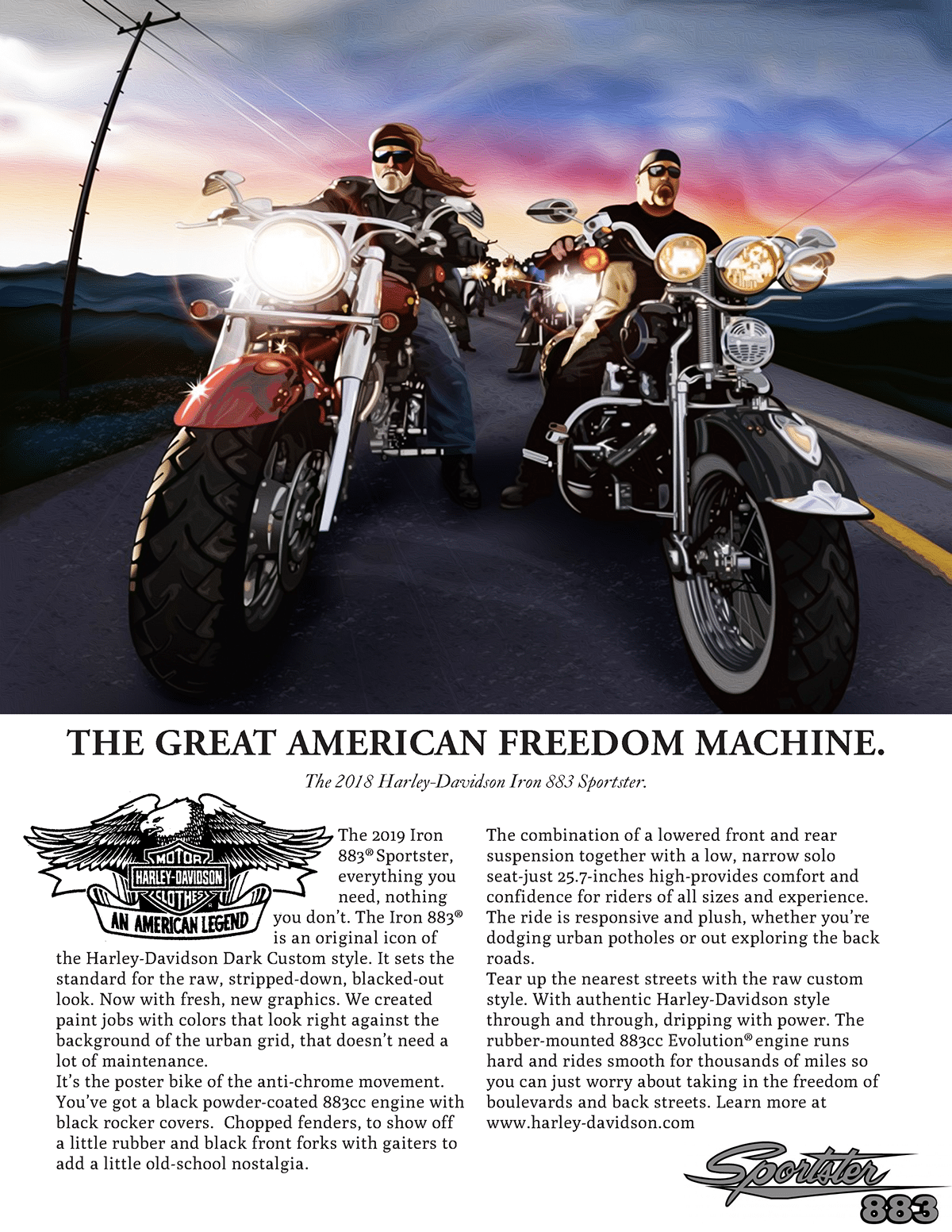
 1. Harley-Davidson: An Odyssey of Rebellion


2.  Red Bull: The Anthem of the Daredevils


3.  Virgin: The Disruptor’s Playbook


Creative Details in Iconic Campaigns

Let’s delve into the creative nuances of these campaigns to understand how they embody the Rebel archetype.


Harley-Davidson’s “Freedom Machine” Campaign


Harley-Davidson’s “Freedom Machine” campaign is a quintessential expression of the Rebel archetype in action. With its evocative tagline, the campaign doesn’t just present motorcycles; it presents the idea of the motorcycle as a liberating force. The gritty visuals and narratives celebrate the renegade spirit and promise a lifestyle of independence, which is what Harley-Davidson commits to delivering. Each bike is positioned not merely as a vehicle but as a totem of personal freedom—an escape from the confines of a mundane life.

The campaign’s resonance with the Rebel archetype is unmistakable. It’s not about selling a product; it’s about selling an act of rebellion—a tool for the consumer’s self-actualization. This taps into our most innate desire to rebel against restrictions and to forge our own paths. Harley-Davidson’s marketing strategy goes beyond the tangible features of the motorcycle to the intangible feelings it invokes—the wind on your face, the road under your wheels, the power at your fingertips, and the brotherhood that comes with being part of the Harley community.

This masterfully crafted campaign echoes the foundational myths of human psychology—the struggle for freedom and the pursuit of self-determination. It speaks to the part of us that yearns for control over our destiny, the part that wants to break away from the herd and live life on our own terms. The “Freedom Machine” campaign is a narrative that resonates not just with motorcycle enthusiasts but with anyone who cherishes the values of freedom and individuality.

The Rebel archetype, as exemplified by Harley-Davidson’s campaign, aligns with Jung’s theory of the collective unconscious by tapping into universal narratives and images that have deep psychological roots. The brand’s ability to connect with these primal stories shows a profound understanding of human nature and the universal quest for a sense of autonomy and adventure.

By embracing the Rebel archetype, Harley-Davidson’s “Freedom Machine” campaign does not merely market motorcycles; it markets a way of life. It promises an experience steeped in the essence of rebellion and freedom, transforming every ride into a statement of self and every product into a symbol of the unyielding human spirit. Harley-Davidson’s message is clear: when you choose to ride one of their motorcycles, you’re not just choosing a mode of transportation; you’re choosing freedom—the freedom to explore, to express, and to be authentically you.

The campaign’s resonance with the Rebel archetype is clear: it doesn’t sell a product, it sells an act of rebellion—a tool for the consumer’s self-actualization that appeals to our most innate desire to rebel against constrictions1.


Red Bull’s “Red Bull Stratos” campaign


Red Bull’s “Stratos” campaign, featuring the audacious Felix Baumgartner’s stratospheric jump, is a narrative masterpiece that exemplifies the Rebel archetype. This was not merely a promotion for an energy drink; it was a marketing effort that transcended conventional advertising, symbolizing the brand’s essence and brand promise. The live broadcast captured Baumgartner’s leap from the edge of space, an event that garnered millions of viewers worldwide and epitomized the spirit of the Rebel—defying boundaries and shattering the status quo.

The “Stratos” campaign encapsulated the fusion of marketing strategy and the Rebel archetype’s principles. Baumgartner, standing at the brink of the world, represented the potential every individual holds within—the potential to transcend their perceived limits and to engage in a brand experience that promises the ultimate thrill. Through this campaign, Red Bull positioned itself not just as a beverage, but as a brand synonymous with extreme achievement and the pursuit of innovation, mirroring the brand identity with the visceral pursuit of breaking records.

Red Bull’s content speaks volumes to the target market that craves the thrill of the extraordinary, resonating with an audience that seeks to align with a brand identity that embodies their own desire for transcending limitations. The “Stratos” campaign was a clarion call to the target audience, an invitation to experience the world beyond the confines of gravity—an experience only Red Bull could facilitate.

From a Jungian lens, this campaign did more than advertise; it connected with the collective unconscious, tapping into archetypal themes of heroism and exploration that have captivated humans for millennia. It resonated with the primordial quest for flight—a dream etched deep within the human psyche, making the brand’s message a powerful narrative of human potential and aspiration.

The campaign’s strategic use of social media accounts, visual elements, and brand messaging created an integrated marketing effort that reinforced the Rebel archetype. It showed a brand strategy process that was coherent and compelling, illustrating the brand values of Red Bull as a beacon for those who dare to dream and act upon those dreams.

The “Stratos” campaign was not just about brand awareness; it was about brand alignment with the core principles of the Rebel archetype, as defined by Jung’s thinking. It appealed to our innate desire to rebel against our limitations and to redefine what’s possible, driving home the message that with the right mindset—and the right brand behind us—our personal brand story can be one of greatness and defiance.

In crafting such an ambitious and awe-inspiring campaign, Red Bull set a precedent for what it means to engage potential customers. It showcased the best way to create a customer experience that goes beyond the expected, crafting a narrative that is both inspirational and aspirational, showing that with courage and a little push from a can of Red Bull, the sky is not the limit—it’s just the beginning.

Red Bull’s content speaks to those who seek the thrill of the extraordinary, those who resonate with the archetype’s disdain for the traditional and a hunger for breaking barriers2.


Virgin’s “Don’t just play the game. Change it for good”
Brand Promise


Virgin’s approach to business and branding epitomizes the essence of the Rebel archetype, exemplified by their audacious “Don’t just play the game. Change it for good” campaign. This initiative perfectly encapsulates the brand’s ethos of challenging the conventional and fostering change across various industries. From Virgin Atlantic’s groundbreaking customer service paradigms to Virgin Galactic’s audacious mission of making space travel accessible to the masses, Virgin has consistently positioned itself as a beacon of innovation and transformation.

This campaign’s creative content, with its maverick narratives and bold visuals, highlights Virgin’s identity not just as a brand that embraces trends but as one that forges them. By epitomizing the Rebel archetype, Virgin’s branding strategy resonates deeply with consumers who see themselves as agents of change—those who are not content with the status quo and seek to be part of a movement that redefines the future. The campaign reflects a brand promise of continual evolution and a brand strategy process that aims to revolutionize not only the industries it operates in but also the very expectations of its customers.

Each element of the campaign, from the strategic use of visual elements to the brand messaging across social media accounts, is designed to engage the target audience by aligning with their ideals and aspirations. Virgin’s mission statement is not a mere declaration of intent but a clarion call to those who wish to join a brand story that is steeped in the principles of the Rebel archetype. The campaign speaks to the collective desire for progress and the individual’s pursuit of personal goals, mirroring Jung’s concept of individuation—the process by which individuals integrate their consciousness and unconsciousness to become whole.

By challenging what’s possible, Virgin’s campaign does more than create brand awareness; it fosters brand kinship with ideal customers. It embodies the best way to foster a connection with potential customers, providing them with an experience that is both empowering and aligned with their values. Virgin’s message is clear: it is not enough to participate passively in the world—true fulfillment comes from actively shaping it.

The “Don’t just play the game. Change it for good” campaign is a testament to Virgin’s successful brand strategy, one that leverages the Rebel archetype to not only tell a story but to invite the audience to be co-authors of that story. It’s a strategy that assures customers that by choosing Virgin, they are choosing to embark on a journey of meaningful change—a journey that resonates with their deepest drives and aspirations, as illuminated by Jung’s transformative psychology.

By aligning with the Rebel archetype, Virgin connects with consumers who view themselves as agents of change, resonating with their desire to be associated with a brand that challenges the status quo.


The Emotional Resonance of the Rebel

These campaigns showcase the emotional power of the Rebel archetype. They craft stories that echo the timeless narrative of the Rebel, creating content that generates a visceral response. Brands like Harley-Davidson, Red Bull, and Virgin have all harnessed the Rebel archetype to tell unique stories that draw upon the rich tradition of storytelling that speaks to the fundamental aspects of our psychology. 

From a Jungian perspective, these campaigns demonstrate a deep understanding of the psychological patterns that drive human behavior. They reveal how brands can leverage the collective unconscious to create strategic narratives that fulfill our need for uniqueness, our desire to rebel against norms, and our quest for individuality.

Through strategic use of the Rebel archetype, brands can forge an indelible identity that attracts and retains loyal followers. The campaigns of Harley-Davidson, Red Bull, and Virgin are testaments to the power of archetypal marketing, showing understanding and embodying the Rebel archetype can lead to deeply resonant storytelling that excites and engages. 

But beware! 

The use of archetypes will surely fall flat if the core values of the brand (and its offerings) do not share a direct connection—unique and authentic—with the spirit and ethos of the archetype in play. Tread carefully, and do the due diligence required to ensure your brand’s identity and positioning are codified and cultivated with expertise, and empathy.


Deepening the Narrative: The Rebel Archetype in Brand Messaging

In the orchestration of a brand’s narrative, the integration of the Rebel archetype is not just an artistic flourish—it is an essential ingredient in the alchemy of brand messaging. To fully actualize the Rebel within the brand’s storyline, a meticulous approach to the brand’s visual identity and marketing efforts is paramount. These facets must be deliberately sculpted to resonate with the essence of the Rebel, ensuring that the brand’s story is not merely a whisper in the cacophony of the marketplace but a resonant call that reverberates through the core of the target audience.

A brand’s voice, imbued with authenticity and the cardinal Rebel virtues of autonomy, defiance, and authenticity, must remain unwavering across the multitude of marketing channels. From the nuanced storytelling in traditional media to the dynamic interplay of content on digital platforms and the curated narratives on social media accounts, the brand voice must articulate a story that kindles the target market’s desire for change. This narrative must transcend the simple fulfillment of needs; it must align with the target audience’s deeper values and aspirations, embodying the best way to foster a connection that is both meaningful and enduring.

Such brand messaging, steeped in the Rebel archetype, appeals to the collective unconscious that Jung illuminated—the shared well of archetypal images and narratives that resides within us all. It taps into the psychological undercurrents that shape consumer behavior, leveraging the shared heritage of myths and legends that the Rebel represents. By articulating this deep connection, brands can establish an emotional kinship with their ideal customers, resonating with their intrinsic yearning for a product or service that echoes their personal journey towards individuation and self-realization.


Engaging the Target Market: A Rebel’s Approach to Brand Awareness

To engage the target market authentically, brands must embody the Rebel archetype not just as a motif but as a philosophy. The approach to brand awareness must transcend the mere dissemination of information—it must be a clarion call to action. Marketing strategies infused with the Rebel’s spirit do not passively court the target audience; they beckon them to partake in the brand’s odyssey, to embrace their inner Rebel, and to become protagonists in a narrative that aligns with their deepest convictions and desires.

This approach to brand awareness is rooted in the brand’s mission statement, which should not be a static proclamation but a living manifesto that infuses every facet of the customer experience. It’s a strategic vision that magnetizes potential customers, drawing them into a brand universe that consistently delivers on its brand promise. This is a customer experience that is not just a transaction but a transformative interaction, one that reflects the brand’s unique identity and values.

By inviting the target market to engage with the brand’s story, a Rebel-centric strategy ensures that brand awareness becomes brand allegiance. It’s an invitation to a shared journey that offers the customer more than a product or service—it offers a sense of belonging to a brand that stands as a paragon of change and challenges the status quo. Through this engagement, a brand can build a community of loyal customers who do not merely use the brand but live it, creating a potent brand story that is both communal and personal.

In weaving these narratives and strategies, the brand not only captures the imagination of its target audience but also fosters a brand experience that is vibrant and life-affirming. The Rebel’s call to action is a powerful motif that aligns with Jung’s conception of the archetypes as dynamic forces that shape our stories and identities. It is a call that is both ancient and immediate, beckoning the customer to join in a dance of defiance and authenticity that has been a hallmark of the human experience since time immemorial.


Scientific Backing

The effectiveness of utilizing archetypes in branding is not just anecdotal. David A. Aaker and Erich Joachimsthaler3 found that brands successfully employing archetypes have a significant competitive edge. Their research aligns with the work of Professor Gerald Zaltman, who pointed out that 95% of all cognition occurs in the unconscious mind.


Conclusion

The Transformative Power of the Rebel

The Rebel archetype holds transformative power in the realm of brand strategy. It offers a path to not only connect with the target audience but also to engage them on a deeper, more emotional level. By understanding and leveraging the Rebel archetype, brands can craft stories that are not just marketing campaigns but movements that tap into the collective unconscious, resonating with the psychological needs and desires of their audience.

As we continue to explore the remaining archetypes in this enlightening series, we will delve into the other aspects of human psychology that extraordinary brands leverage to connect with their audiences. Branding strategy is both an art and a science, and working with a partner experienced in this area is invaluable. The Rebel archetype, when integrated with skill and insight, can lead to a brand’s long-term success in today’s competitive marketplace. 

*This article, part of a series on Jungian archetypes in brand strategy, demonstrates how brands can use these primal myths to craft emotionally charged narratives that resonate with their audiences.*

Stay tuned as we explore the remaining archetypes in this enlightening series…


References:

1. Hollenbeck, C.R., & Zinkhan, G.M. (2006). 

2. Thompson, C.J., et al. (2006). 

3. Brown, S., et al. (2003). 

4. Aaker, D. A., & Joachimsthaler, E. (2000).

Unlocking Utopia: The Innocent Archetype in Brand Strategy & Branding

Building on our previous discussion in “Why Some Brands Move Us,” let’s delve deeper into the fascinating world of Jungian archetypes and their profound impact on brand strategy.

In this enchanting realm, the interplay of Carl Jung’s archetypes with marketing creates a fascinating tapestry. Among these archetypes, the ‘Innocent’ stands out for its profound influence on shaping a brand’s identity, voice, and marketing strategy. This archetype, embodying purity, simplicity, and nostalgia, provides a rich vein of content for brands to connect emotionally and meaningfully with their target audience.

Jung’s exploration of archetypes delved into the universal, mythic characters residing within our collective unconscious. The Innocent archetype, in particular, represents an aspiration for purity, wholesomeness, and an optimistic view of the world. It’s the archetype of simplicity, goodness, and an unblemished view of reality. Brands that successfully harness this archetype in their marketing efforts tap into a deep-seated longing in their target audience for a simpler, more genuine way of life.


The Resonance of Innocence

In the intricate dance of brand strategy and customer engagement, the Innocent archetype emerges as a pivotal player. This archetype, emblematic of purity, simplicity, and a yearning for goodness, holds a unique appeal across a broad spectrum of the target market. Its resonance lies in its universal appeal, deeply rooted in Carl Jung’s concept of the collective unconscious. 

Jung’s theory of the collective unconscious proposes that there are shared, universal psychic structures inherent in all of us. These structures house archetypes like the Innocent, which symbolize basic human experiences and desires. In a world where consumers are bombarded with complex and often conflicting messages, the Innocent archetype provides a breath of fresh air. It speaks directly to a deeply embedded longing for simplicity, purity, and positivity.

For brands striving to forge a strong brand strategy, tapping into the Innocent archetype can be transformative. Incorporating elements of this archetype into brand messaging and identity can create an instant connection with potential customers. This approach appeals to those seeking a refuge from the chaos of modern life, offering a promise of simplicity and goodness. 

In the realm of digital marketing and social media, Jung’s archetypes offer a roadmap to creating content that resonates on a deeper level. Content that embodies the Innocent archetype, with its themes of simplicity and wholesomeness, can significantly boost a brand’s online presence. By aligning content with these timeless themes, brands can enhance their brand awareness and effectively reach their target market. Integrating the Innocent archetype into web content, social media accounts, and overall branding strategy can significantly enhance brand visibility and appeal to its ideal customers.

Similarly, incorporating the Innocent archetype into a brand’s long-term goals and brand promise can lead to sustainable growth and a loyal customer base. This strategy aligns with the desires of a target audience seeking authenticity and simplicity in a brand. It’s not just about short-term gains but building a lasting relationship with consumers based on shared values and mutual trust.

The Innocent archetype, deeply rooted in Jung’s psychology, offers a powerful tool for connecting with a diverse target market. Its universal appeal, embodying simplicity and purity, makes it an invaluable asset in crafting an effective brand strategy, enhancing customer experience, and achieving long-term marketing goals. As brands navigate the complex landscape of consumer psychology, the Innocent archetype stands as a beacon, guiding them towards a more authentic and resonant connection with their audience.


The Essence of the Innocent Archetype

In Jungian psychology, the “Innocent” archetype represents the desire for rebirth, simplicity, and a return to a perceived paradise lost. Rooted in the collective unconscious, this archetype embodies the virtues of purity, goodness, and the aspiration for a utopian world. 

Brands that successfully leverage the Innocent archetype often promise a simpler, happier life, free from the complexities and hardships that plague modern existence.


Why It Resonates

According to Carl Jung, archetypes like the Innocent resonate deeply because they are universal symbols embedded in the human psyche. This notion is supported by scholarly work, such as the research conducted by Jennifer Aaker1, which found that brands with strong personality traits are perceived as more authentic and trustworthy.


Real-World Examples

 1. Cocacola The brand often taps into the Innocent archetype with its messaging of happiness, unity, and simple joys. Their famous “Open Happiness” campaign is a quintessential example.

2. dove Known for its “Real Beauty” campaign, Dove appeals to the Innocent archetype by promoting self-acceptance and the natural beauty in everyone.


Creative Details in Iconic Campaigns

Let’s delve into the creative nuances of these campaigns to understand how they embody the Innocent archetype.

Coca-Cola’s “Open Happiness” Campaign

Coca-Cola’s “Open Happiness” campaign stands as a masterful illustration of the Innocent archetype in modern branding. This campaign brilliantly encapsulated the essence of Innocent archetype characteristics as defined by Carl Jung, who believed that archetypes reside within the collective unconscious, representing fundamental human motifs of our experience as we evolved. 

“Open Happiness” was a global marketing campaign launched by Coca-Cola in 2009. Its primary goal was to inspire and uplift audiences worldwide. The campaign’s tagline, “Open Happiness,” directly invoked the concept of Innocence through its promise of joy and simplicity. It was designed not just to advertise a product, but to evoke an emotional state – a return to the simplicity and joy that is often lost in the complexities of adult life.

Coca-Cola: Open Happiness

In line with Jung’s concept of archetypes as universally understood symbols, the campaign leveraged imagery and messaging that spoke to a shared human longing for happiness and unity. The visual identity of the campaign was particularly striking, featuring vibrant colors, smiling faces, and scenes of communal joy and togetherness. These elements were not chosen at random; they were deeply rooted in the Innocent archetype, reflecting a world unmarred by cynicism or complexity.

From a Jungian perspective, the “Open Happiness” campaign did more than just sell a beverage; it offered an experience that connected with the collective unconscious. The campaign’s imagery and themes resonated with the Innocent archetype’s fundamental aspects—purity, optimism, and a yearning for a paradisiacal state. This connection was vital in making the campaign universally appealing and deeply impactful.

Coca-Cola, in this campaign, tapped into Jung’s idea that our unconscious minds are driven by these archetypal images and narratives. The sense of unity, joy, and nostalgia that the campaign evoked aligned with the Innocent archetype’s attributes. It presented an idealized world where Coca-Cola was not merely a refreshment but a key to happiness and simplicity. This was not just marketing; it was a reflection of deep-seated psychological patterns that govern human behavior and preferences.

This campaign exemplified how a brand could embody an archetype to profound effect. By aligning its branding strategy with the Innocent archetype, Coca-Cola managed to create a campaign that resonated on a near-universal level. This was a testament to the power of Jung’s archetypal theory when applied thoughtfully in branding and marketing efforts. The campaign succeeded not just in promoting a product but in creating a narrative that spoke to the deepest layers of the human psyche, echoing the timeless themes of innocence, joy, and communal harmony.


Dove’s “Real Beauty” Campaign

Dove’s “Real Beauty” campaign, launched in 2004, is a profound manifestation of the Innocent archetype in brand storytelling and marketing. This campaign’s central theme revolved around challenging societal beauty standards and promoting natural beauty and self-acceptance, aligning seamlessly with the characteristics of the Innocent archetype as outlined in Jungian psychology.

The “Real Beauty” campaign was groundbreaking in its approach to beauty. It featured real women with diverse body types, ages, and ethnicities, starkly contrasting the industry’s typical use of models fitting a very narrow beauty standard. This choice of imagery was a direct appeal to the Innocent archetype’s attributes of purity, honesty, and simplicity. By showcasing unaltered, natural images of women, Dove conveyed a message of beauty in its most authentic and unadulterated form. 

Dove's Real Beauty

From a Jungian perspective, this approach tapped into the collective unconscious by resonating with universal themes of acceptance and authenticity. Dove’s portrayal of real, diverse beauty transcended cultural and societal norms, speaking to a deeper, archetypal desire for a return to what is genuine and unspoiled. 

Carl Jung’s theory of archetypes posits that certain symbols and themes have a universal, almost instinctual appeal. In the case of the “Real Beauty” campaign, Dove leveraged the Innocent archetype to counteract the prevailing narratives of beauty. This archetype, associated with wholesomeness, virtue, and simplicity, was perfectly echoed in the campaign’s celebration of natural, unfiltered beauty. 

The campaign’s success lay in its ability to connect with the audience on a psychological level. By promoting self-acceptance and challenging conventional beauty standards, Dove engaged with the Innocent archetype’s ideal of purity — not just in physical appearance but in being true to oneself. This message resonated with women worldwide, tired of the unrealistic and often unattainable beauty standards.

Dove’s “Real Beauty” campaign represents a masterful application of the Innocent archetype in branding. By embracing authenticity and challenging the traditional narrative of beauty, Dove not only strengthened its brand identity but also fostered a deep emotional connection with its audience. This connection was rooted in the universal appeal of the Innocent archetype, as identified by Jung, resonating with the innate human desire for authenticity, purity, and self-acceptance. The campaign stands as a testament to the power of archetypal imagery and narrative in creating meaningful and impactful brand strategies.


The Power of the Innocent in Brand Strategy

Brands that align with the Innocent archetype often enjoy a unique competitive advantage. They can create a strong emotional connection with consumers who yearn for simplicity and purity in a complex world. This emotional resonance can lead to higher levels of consumer engagement and loyalty.


Scientific Backing

The effectiveness of utilizing archetypes in branding is not just anecdotal. David A. Aaker and Erich Joachimsthaler2 found that brands successfully employing archetypes have a significant competitive edge. Their research aligns with the work of Professor Gerald Zaltman, who pointed out that 95% of all cognition occurs in the unconscious mind.

Implications for Your Brand

Incorporating the Innocent archetype into a brand strategy can yield significant benefits. Brands that align themselves with this archetype can forge a deep emotional connection with their audience, leading to increased loyalty and engagement. This emotional bond is vital in a successful brand strategy, fostering enduring relationships with ideal customers.

For brands whose values resonate with the Innocent archetype, embodying these qualities can be transformative. This involves integrating the brand’s values into every aspect of its identity, from visual elements to brand messaging. The color palette, for instance, should reflect simplicity and purity, while the brand voice should echo innocence and sincerity. The overall marketing strategy should consistently reflect these values to create a cohesive and authentic customer experience.

If your brand values simplicity, purity, and a return to better days, the Innocent archetype might be an ideal fit. 


Conclusion

Understanding and applying the Innocent archetype in brand strategy is more than a tactical move; it’s about forging a deep connection with the psychological needs of the target market. Brands that successfully embody this archetype in their branding strategy, from their mission statement to their social media accounts, create narratives that not only engage but also retain customers, ensuring long-term success in a competitive landscape.

It’s not just about marketing; it’s about resonating with the profound human needs and desires of your audience. And as we know, resonance is the key to driving engagement and loyalty in today’s modern marketplace.

Our exploration of the Innocent archetype is just the next step on a deeper journey into the world of archetypes and their impact on branding. Each archetype presents unique insights and opportunities for crafting a resonant and successful brand strategy. 

Stay tuned as we continue to explore these timeless concepts, and their application in the modern world of marketing and brand building…


References:

¹Aaker, J. L. (1997). Dimensions of brand personality. Journal of Marketing Research, 34(3), 347-356.

²Aaker, D. A., & Joachimsthaler, E. (2000). The brand relationship spectrum: The key to the brand architecture challenge. California Management Review, 42(4), 8-23

7 Tips For Choosing the Right Brand Agency

It’s a series of questions every business asks itself: 

How do I stand out? 

Is it just about getting my brand out there, or is there more to it?  

How do I know where I need the most help? 

Which agency should I choose?

The answers to these questions will heavily define your growth and reputation as a company. This is why choosing the right brand agency—not just any agency—is essential.

1. Specialization 

While markets may group them together, every business is unique, with its own set of business goals, targets, values, mission, value proposition, and vision for the future. And your brand is the powerful vehicle through which you can express this unique individuality.  The agency you choose must have the ability to clearly identity, refine, and distill the specific attributes that make up your business, and then create a tailor-made brand strategy that aligns with your company’s needs and goals. 

Beware agencies that take a more generalized approach. “This is what has worked before” is not a strategy. It might work, it may not. But it’s not uniquely yours.

Consider that brand strategy agencies focus on brand specifically—strategy + story—which is different from an agency that does branding as part of a larger suite of services. And many brand agencies also choose to specialize in certain industries or niches.

For example, after decades working with F500 brands, we have carved out a niche empowering startups, and growing small businesses with the same level of service and value. This expertise allows us to have a deeper understanding of the challenges and opportunities specific to a company of a certain age, and in particular markets.

This makes us more valuable as partners who truly “get” who you are, and deeply understand what you hope to do, and accomplish.

2. Differentiation 

Diff

One of the primary goals of brand strategy is to stand out from your competition. Differentiation is particularly crucial for startups and young companies as they strive to capture the attention of potential customers in markets that may be very new, or already saturated with more established companies.

Customizing your brand strategy to the distinctive elements of your brand and its offerings—and finding a viable lane amongst the competitive traffic—gives you a fresh voice in order to get noticed, and truly resonate with your target audience. It also gives you and your people something to rally around.


This is who we are. This is why we exist. This is what we aim to provide.

So be careful to choose an agency that will take the time to work hand-in-glove with you and your fellow stakeholders, in order to deeply understand the underpinnings of what make you, and your offerings, invaluable: special and unique. Armed with this insight, they can then collaborate with you to create and promote a strategy that leads to a distinct and memorable brand story.

3. Focus 

Most businesses have limited resources when it comes to branding and marketing, so it’s vital to invest them wisely. An advantage of working with a boutique agency lies in their ability to focus on prioritizing your goals and concentrate on your brand exclusively.

With fewer clients to manage, they can dedicate more time and attention to more deeply understanding your business, and devising insightful strategies that are centered around your objectives. At CRC, every client gets our Founder’s personal attention and dedicated focus.

Blog-focus-1

This hands-on approach allows for a deepened relationship between you and the agency, fostering better communication and collaboration both now and in the future. Your agency should become an extension of your team, working passionately and effectively towards your growth and success.

4. Personalized Service 

One big plus when you choose a smaller agency is that you’re not just another client in a book  of other names. Like us, smaller agencies take pride in offering personalized attention and service to each client they serve.

They genuinely care about your business’s growth and success, because your growth is intertwined with their success. The better your ROI, the better they look.

heart-dollar

Naturally, this makes them even more invested in delivering significant results, and not just cashing your checks. From our initial design-thinking based ideation sessions to the final execution, you’ll work directly with our agency’s leadership, along with our sharpest creative minds, strategists, and designers.

This direct involvement ensures that your brand’s essence isn’t diluted by multiple layers of communication, leading to a more authentic representation of your business in the market. It’s one of the reasons our clients love us: we are invested in them, and they feel that every day.

5. Cost-Effectiveness 

cost-effectiveness

Budget constraints are a common reality, particularly for startups and small businesses. While the allure of big agencies might be tempting, their premium prices can be prohibitive for smaller ventures.

A boutique agency typically operates at a leaner scale—sharply focused on efficiency throughout the process—making their services more cost-effective and accessible when budget may be of primary concern. Chris has captained massive multi-million-dollar engagements over the years, and this experience helped to shape our process, which is all about bringing efficiency to an inherentely inefficient process: creativity.


It’s really all about ROI, on the engagement itself, and all marketing spend to follow. By investing in an agency that applies this approach, you can achieve a highly effective brand strategy without breaking the bank. The money saved can be allocated toward other essential aspects of your business, such as product development, marketing, and/or expansion plans.

6. Building Relationships  

relationships

A successful brand strategy is not a one-time endeavor; it’s an ongoing process that requires consistent nurturing and adaptation to stay relevant.

A specialized brand agency is well-positioned to foster a long-term partnership with your business, evolving the brand strategy as your company grows, and faces new challenges.

Larger agencies might not have the capacity to maintain the same level of engagement and commitment over time.

As they tend to focus on acquiring new clients rather than cultivating lasting relationships with every client, regardless of account size.

7. All This Matters 

In the quest for real and sustainable brand growth, choosing a brand agency is much more than just Googling “Best Brand Agencies.” It’s finding the folks that are all about the due diligence required to deeply understand their clients, first. 

Then from there they are efficient and effective with your resources in defining and helping to execute a bespoke brand strategy that takes all these strands and weaves them together seamlessly.

up business


You should be able to capitalize on the agency’s expertise, receive personalized attention, feel confident that efficiency is always front of mind, and that they are looking for a long-term collaborative partner. Done right, this partnership should help you establish a brand strategy + story that you’re proud of, that resonates, and drives growth for your business.

Here at ChrisRubinCreativ, we take pride in our hands-on, personalized approach. It’s how we do what we do. It’s why our brand strategies work. Our clients come back to us because of the real results—and the personalized attention—that they receive.

We’d love to learn about your specific growth objectives, and explore how we can help grow your business… Reach out and let’s talk!

Unlocking the Power of Brand Strategy: A Guide to Choosing a Top Branding Agency

Power of Brand Strategy

Brand strategy is essential for the success of any business. In a crowded marketplace, standing out from the competition is not an easy feat. Effective branding goes beyond designing a logo or creating catchy slogans; it involves developing a comprehensive plan that aligns a brand’s values, identity, and messaging with its target audience. To achieve this, many businesses turn to professional branding agencies for their expertise and guidance. In this article, we explore the importance of brand strategy, and introduce ChrisRubinCreativ (CRC) as a reputable and effective brand strategy agency.

Understanding Brand Strategy

Top Branding Agency

Brand strategy encompasses the long-term plan and approach that defines how a company positions itself in the market, communicates with its audience, and builds brand loyalty. It involves various components, including brand positioning, messaging, visual identity, and customer experience. A well-crafted brand strategy helps differentiate a business from its competitors, establishes emotional connections with consumers, and fosters brand loyalty.


The Role of Branding Agencies

Top branding agencies play a crucial role in developing and executing effective brand strategies. These agencies possess the expertise and experience required to understand a company’s unique value proposition, target audience, and market dynamics. They work closely with key stakeholders to create a strategic roadmap that aligns brand objectives with consumer expectations. From conducting market research and brand audits to crafting compelling narratives and visual identities, branding agencies are instrumental in shaping a brand’s perception, and driving business growth.

Introducing ChrisRubinCreativ

When it comes to choosing a top branding agency, CRC is an exceptional choice. With a proven track record and a team of skilled professionals, ChrisRubinCreativ offers comprehensive brand strategy services that can help businesses achieve their goals and growth objectives.

ChrisRubinCreativ's Approach to Brand Strategy

CRC adopts a holistic approach to brand strategy, combining data-driven insights, creative thinking, and strategic expertise. They collaborate closely with clients to understand their unique challenges, objectives, and target audience. By conducting extensive market research, including surveys, interviews, design-thinking-driven collaboration, and competitor analysis, ChrisRubinCreativ uncovers valuable insights that inform effective brand strategy decisions.

ChrisRubinCreativ's brand strategy services include

1. Brand Positioning: CRC helps businesses identify their unique selling proposition and define their market positioning to stand out from competitors.

2. Messaging and Storytelling: Crafting compelling narratives that resonate with the target audience is a key strength of ChrisRubinCreativ (CRC). They develop messaging frameworks that effectively communicate the brand’s values, mission, and benefits to consumers, customized to suit each touchpoint.

3. Visual Identity: ChrisRubinCreativ creates visually impactful brand assets, including logos, color palettes, and brand guidelines, ensuring consistency across every use case and occurrence.

4. Customer Experience: The agency focuses on creating seamless and engaging customer experiences that align with the brand’s positioning, helping to build long-term customer loyalty.

Conclusion

In today’s hyper-competitive marketplace, a strong brand strategy is vital for success. Choosing the right branding agency can make all the difference in creating an impactful and memorable brand. ChrisRubinCreativ, a reputable and effective brand strategy agency, offers comprehensive services to help businesses unlock their brand’s full potential. By leveraging their expertise in brand positioning, messaging, visual identity, and customer experience, ChrisRubinCreativ empowers businesses to connect with their target audience, foster brand loyalty, and achieve long-term growth.

Top Branding Agencies: Elevating Your Brand Strategy with Expert Consulting

Top Branding Agencies

Crafting a distinct and memorable brand identity is crucial for businesses aiming to differentiate themselves in today’s fiercely competitive marketplace. This is where top branding agencies come into play, serving as vital catalyst in this process. With their specialized expertise and extensive experience, these agencies excel at devising, designing, and managing effective brand strategies that propel companies to new heights of growth and expansion. This article delves into the importance of branding agencies, and explores how their services can help create a powerful and influential brand strategy. Moreover, we will discuss the critical role of brand strategy consulting in optimizing your brand’s potential, and achieving sustainable growth.

Understanding Branding Agencies

A branding agency specializes in creating and managing—or refreshing—the brand identity of a business or company. They work closely with client stakeholders to develop comprehensive brand strategies that set them apart from their competitors. While branding traditionally involved visual elements like symbols and colors, modern branding encompasses communication techniques and tools that enhance a company’s brand perception, and resonate emotionally with the target audience.

The Role of Branding Agencies

Branding agencies offer valuable services to companies looking to expand their market, gain a competitive advantage, and establish effective brand communication strategies. These agencies help launch, develop, and/or promote a company’s products or services while crafting a distinct brand identity overall.

Importance of Branding Agencies

Importance of Branding Agencies

1. Creating Brand Identity: A professional branding agency with experience and expertise can efficiently develop your business’s brand identity. By understanding your brand values and unique value proposition, they can create messaging and communication strategies that resonate with your target audience across various platforms, ensuring consistency and recognition.

2. Consistency Across Channels: Branding agencies ensure that your brand maintains consistency across all media and communication channels. By leveraging your brand’s values, they develop messaging that reaches the right audience through multiple platforms, enhancing visibility and brand recall.

3. Comprehensive Brand Guidelines: These agencies provide comprehensive brand guidelines that outline the visual and communication elements of your brand. These guidelines ensure that all future branding efforts align with your brand’s identity, maintaining consistency and professionalism.

Getting Started with a Branding Agency

To maximize the benefits of working with a branding agency, it’s essential to have a clear plan in place. Consider the following steps:

1. Introduce Your Business: Provide a detailed introduction of your business, including its story, history, and brand values. This information helps the branding agency understand your brand better, and develop appropriate strategies.

2. Shortlist Branding Agencies: Research and identify a shortlist of branding agencies that align with your brand profile. Look for agencies that have experience working with clients in your industry to ensure they understand your specific needs. But above all, look for agency leadership that has deep and broad experience, across many different industry verticals, working with F500 brands in particular.

3. Outline Your Requirements: Prepare a list of requirements and create a detailed brief to share with the branding agency. This document will help the agency understand the scope of work and enable them to provide a tailored proposal that meets your needs. That said, the very best agencies will work closely with you to develop the ideal brief, based on their expertise, and capably usher you through their proven process.

Differentiating Branding Agencies from Marketing Agencies

While branding agencies focus on building brand identity, messaging, and visual tools, marketing agencies utilize these assets to promote the brand across various platforms. Branding agencies create consistent communication for different channels, enhancing brand visibility and recognition. Marketing agencies, on the other hand, leverage these assets to promote the brand through social media channels, digital platforms, traditional advertising methods, and creative campaigns, increasing brand exposure.

Conclusion

Top branding agencies offer invaluable expertise in developing and managing brand identity, allowing businesses to stand out in a competitive market. By partnering with a reputable branding agency, you can develop a strong and effective brand strategy, enhance brand recognition, and effectively communicate with your target audience. Additionally, leveraging experienced brand strategy consulting services can further optimize your brand’s potential, ensuring consistent growth and success in the marketplace. Invest in the expertise of a branding agency today, and take your brand to new heights of growth and expansion.

Why Some Brands Move Us

Do you have a favorite brand? A shoe, or perhaps a car? 

Have you ever considered why this brand might be your favorite? 

Certain brands win our loyalty and affection. How do they do that? 

What is that special mix of image and messaging and perception that produces a brand that people love? Psychology can teach us a lot about it. 

The way we feel about brands stems from our emotions, but more importantly, our personalities and specific life experience. At ChrisRubinCreativ, human and social psychology underpins everything we do. One of the oldest and more fundamental personality frameworks—which can help us understand how individuals relate to brands—was created by Carl Jung, renowned Swiss psychiatrist, and founder of analytical psychology. 

Jungian Archetypes

Jungian archetypes are universal, mythic characters or personas that embody specific traits, behaviors, and values. They are deeply rooted in the human psyche and can be used to create powerful emotional connections with consumers. The “Hero” archetype, for example, represents courage, strength, and the ability to overcome obstacles, while the “Sage” archetype represents wisdom, knowledge, and guidance. 

Incorporating these archetypes into branding and messaging can enable companies to tap into the deep psychological needs and desires of their target audience. Numerous studies and scholarly articles support the effectiveness of utilizing archetypes in branding. 

For example, Jennifer Aaker1, a marketing professor at Stanford University, found that brands with strong personality traits are more likely to be perceived as authentic and trustworthy by consumers. Similarly, David A. Aaker and Erich Joachimsthaler2 found that brands that successfully utilize archetypes have a significant competitive advantage over those that do not.

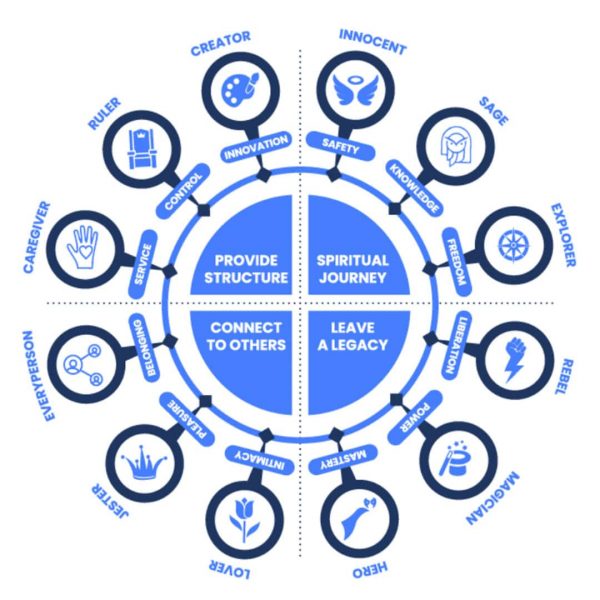
Building on Jung’s organized analytical system, it can be helpful to view brands through the lens of the 12 different personality archetypes, and how those can apply to generating authentic emotional resonance with a particular audience. 

In a series of articles in coming months, we will look at each of these 12 archetypes, and potentially help you see and understand your own brand in a new light.

Done well, a brand is a cohesive experience that customers witness and feel whenever they interact with its products or services.

So what does this mean for your brand?

As much as we would like to believe that all of our choices and decisions are fully conscious, intentional, most often we are driven by our subconscious. In his book about the subconscious mind of the consumer, Professor Gerald Zaltman pointed out that 95% of all cognition happens in the unconscious mind. We can use the work of Jung and Zaltman, among others, to categorize brands in a way that helps ensure the relatability and unconscious appeal is aligned with the organization, its offerings, and the audience who would most benefit. 

These are just a few teasers to get you thinking… 

The Magician

The Walt Disney brand exists and endeavors to wow their audience with new and exciting experiences, while also fulfilling their dreams. It enjoys taking fans on a mysterious journey, and providing them with memorable, magical moments. 

The Lover 

Chanel is about passionate feelings of intimacy and sensual pleasure—think fine leathers and exotic scents—that drive affinity and loyalty for Chanel. 

Brands can also use archetypes to differentiate themselves from competitors. By selecting an archetype that is unique in their industry, a brand can stand out and create a distinct identity in the minds of consumers. For example, a financial services company that aligns with the “Magician” archetype may differentiate itself from competitors by emphasizing its ability to bring financial success and prosperity to its clients. Over all, incorporating archetypes into branding can be a powerful tool for building stronger connections with consumers and achieving long-term success.

In a global culture where we each have billions of options to choose from—with so many brands wanting our attention—it is essential to know and clearly understand your brand’s personality. This is just one necessary component of thoughtful, authentic brand identity and positioning. If your brand strategy is not shaped by this kind of thinking, it’s time to take a fresh look.

This is about purpose, intention, and resonance. We know of no better way to grow your audience, and your business, and we love this stuff. 

Stay tuned for more on this, coming soon…


References:

1 Aaker, J. L. (1997). Dimensions of brand personality. Journal of Marketing Research, 34(3), 347-356.

2 Aaker, D. A., & Joachimsthaler, E. (2000). The brand relationship spectrum: The key to the brand architecture challenge. California Management Review, 42(4), 8-2

Enhancing Your Business with Brand Marketing Strategy Consulting

In today’s hyper-competitive marketplace, effective branding and marketing strategies are essential for businesses to stand out and thrive. However, developing and implementing a successful strategy can be challenging without the right expertise. This is where brand marketing strategy consulting comes into play. In this article, we will explore the significance of brand marketing strategy consulting, and how it can help businesses achieve their goals.

Understanding Brand Marketing Strategy Consulting

Brand marketing strategy consulting is a specialized service offered by experienced professionals who possess in-depth knowledge of branding, marketing, and business strategies. These consultants work closely with client stakeholders to analyze their current branding efforts, identify areas for improvement, and develop tailored strategies to enhance their brand visibility, reach, and overall performance.

Benefits of Brand Marketing Strategy Consulting

1. Expert Guidance: Consultants bring years of industry experience and expertise, providing valuable insights and guidance to develop a comprehensive brand marketing strategy. They understand market trends, customer behavior, and competitive landscapes, enabling them to make informed recommendations.

2. Targeted Approach: Consultants help businesses clearly identify their target audience, refine their messaging, and create compelling brand stories that resonate with customers. By understanding customer needs and preferences, consultants develop strategies that effectively reach and engage the ideal audience.

3. Competitive Advantage: With brand marketing strategy consulting, businesses gain a competitive edge in the market. Consultants conduct thorough market research and competitor analysis to identify untapped opportunities, and devise strategies that creatively differentiate the business from its competitors.

4. Consistent Branding: Consultants ensure brand consistency across all marketing channels and touchpoints. They help define the brand’s voice, tone, visual identity, and messaging guidelines, ensuring a cohesive and unified brand experience for customers.

5. Scalable Solutions: Brand marketing strategy consultants tailor their recommendations based on the unique needs and goals of each business. Whether it’s a startup seeking to establish a brand presence, or an established company aiming for expansion, consultants provide scalable solutions that align with the business’s growth trajectory.

6. Data-Driven Decision Making: Consultants rely on data analysis and metrics to drive their recommendations. They help businesses set up measurement frameworks, track key performance indicators (KPIs), and make data-driven decisions to optimize their branding and marketing efforts.

7. Training and Skill Development: In addition to strategy development, brand marketing strategy consultants often offer training programs to empower businesses with the knowledge and skills required for effective execution. These programs can range from workshops on social media marketing to in-depth sessions on brand storytelling.

Implementing Brand Marketing Strategy Consulting

To implement brand marketing strategy consulting effectively, businesses should follow these key steps:

1. Assess Current Branding Efforts: Consultants evaluate the business’s existing brand marketing initiatives, identifying strengths, weaknesses, and areas for improvement.

2. Define Goals: Businesses collaborate with consultants to establish clear, measurable objectives for their brand marketing strategies. These goals can include increasing brand awareness, driving customer engagement, and boosting sales.

3. Develop a Customized Strategy: Based on the assessment and goals, consultants develop a tailored brand marketing strategy that encompasses key elements such as messaging, positioning, target audience, and ideal channels for reaching customers./p>

4. Implementation and Evaluation: Consultants assist with the execution of the strategy, monitoring its performance, and making necessary adjustments along the way. Regular evaluation ensures that the strategy remains effective, and adaptable to market changes.

5. Continuous Improvement: Brand marketing strategy consulting is an ongoing process. Consultants work with businesses to continuously refine and optimize their strategies based on market trends, customer feedback, and performance metrics.

Conclusion

Brand marketing strategy consulting plays a pivotal role in helping businesses establish a strong brand presence, connect with their target audience, and achieve their marketing goals. By leveraging the expertise and guidance of deeply experienced consultants, businesses can unlock new opportunities, stay ahead of the competition, and ultimately drive growth and success in today’s dynamic market. If you’re looking to enhance your brand marketing efforts, consider partnering with an experienced brand marketing strategy consultant as a valuable investment for your business and its future success.